Preserved Forum Threads Reveal Patterns in Eastern European MMORPG Player Identities
David Klein · Nov 24, 2026
Preserved Forum Threads Reveal Patterns in Eastern European MMORPG Player Identities
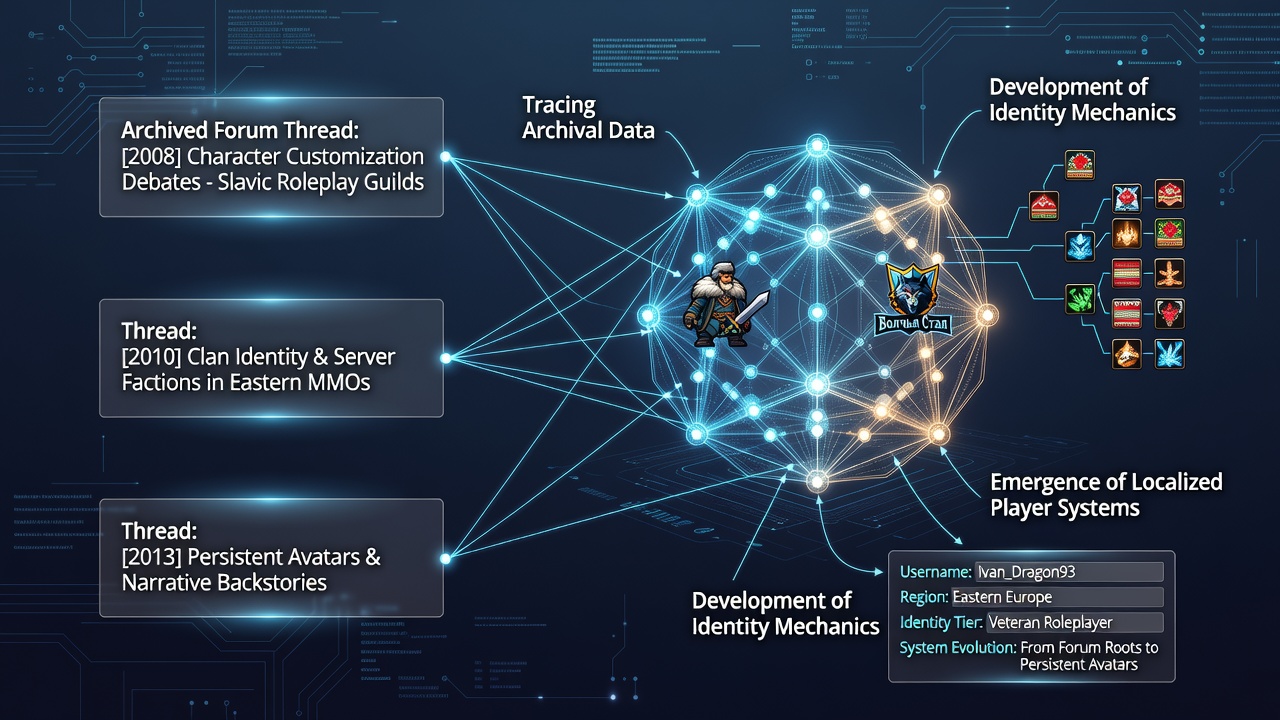
Archived forum threads from the early 2000s contain detailed records of how players in Eastern European MMORPG communities built and refined their digital identities over time and researchers continue to examine these records for connections to later systems. Data from platforms like old Lineage 2 and similar regional servers shows that nickname conventions, clan affiliations, and role-playing habits first emerged in threaded discussions before they influenced structured player profiles in games released after 2010.
Early Forum Activity and Identity Formation
Players in Poland, Russia, and Ukraine relied on forums such as those hosted on regional gaming portals to coordinate raids, share server information, and debate character builds while they simultaneously experimented with pseudonyms that reflected cultural references or in-game achievements. Studies of preserved threads indicate that many participants iterated on their names across multiple posts, testing variations that later appeared in official game databases as standardized identity fields. Observers note that these experiments often involved combining Cyrillic letters with Latin characters or numbers drawn from local history which created patterns still visible in current MMORPG account systems.
Regional Server Data and Thread Correlations
Server logs paired with forum archives demonstrate direct links between discussion volume and the adoption of complex identity features such as customizable titles or clan heraldry. According to figures from Eastern European digital culture projects, peak thread activity on major Russian-language boards between 2005 and 2008 coincided with the introduction of persistent player profiles that allowed storage of historical nicknames and achievement badges. Researchers have mapped specific thread sequences to the rollout of these features on servers that operated across multiple countries and the mappings reveal consistent progression from informal naming debates to codified identity tools.
Case Examples from Preserved Discussions
One documented thread series on a Polish gaming portal tracked the evolution of a single player’s alias from simple transliterations of local surnames to elaborate constructs that incorporated game-specific lore elements and observers traced how that same alias migrated into multiple MMORPG databases by 2012. Similar patterns appear in Ukrainian forum collections where participants discussed balancing anonymity with recognition and those discussions preceded the addition of verification systems that let players claim prior identities across different titles. Data shows that clans formed through forum recruitment threads later demanded integrated identity management tools which game developers incorporated to retain regional audiences.
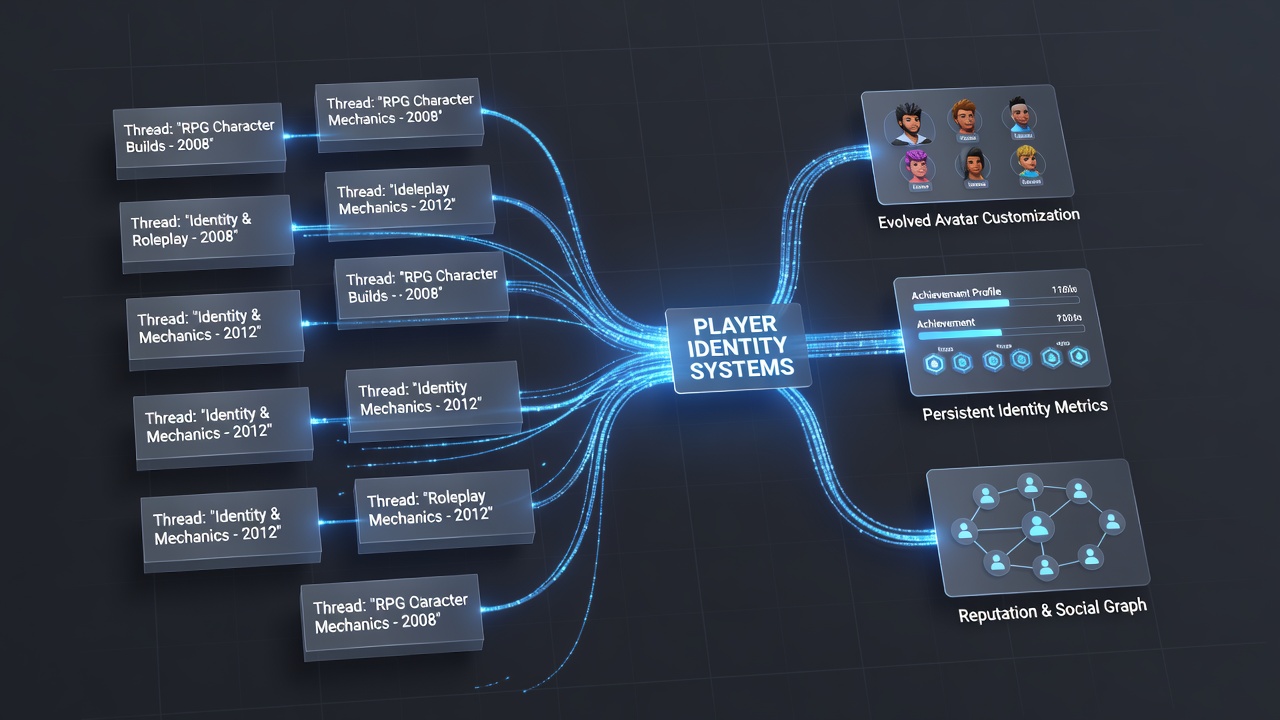
Academic analyses of these archives highlight how language mixing in threads influenced the design of input fields that now support multilingual usernames without character conflicts. A 2023 report from the Digital Games Research Association examined several hundred archived posts and found measurable increases in identity-related terminology that aligned with updates to regional MMORPG client software.
Broader Industry Context and November 2026 Developments
Industry reports from organizations tracking Eastern European gaming markets note that legacy identity systems built on forum-derived practices continue to shape new releases scheduled for late 2026. In November 2026 developers plan to launch updated profile tools that reference historical thread data for optional legacy migration features and these tools build directly on patterns first observed in preserved discussions. Government-backed digital heritage initiatives in several countries have begun digitizing additional forum collections to support further research into how early online communities influenced modern account architectures.
External analyses from university research groups in the region confirm that identity persistence features reduce player churn when they incorporate elements tested in original forum environments. DiGRA publications provide quantitative breakdowns of thread-to-profile correlations while European Commission digital culture summaries place these findings within wider policy discussions on online heritage preservation.
Conclusion
Archived forum threads supply concrete evidence of how player identity systems in Eastern European MMORPG communities developed through iterative community input rather than top-down design alone. Continued examination of these records alongside server metrics and release timelines shows ongoing influence on features planned for 2026 and beyond while supporting objective study of regional digital culture patterns.