Exploring Clan Structures in Russian Online Gaming Through Nickname Databases on Forum Platforms
Noah Butler · Oct 13, 2026
Exploring Clan Structures in Russian Online Gaming Through Nickname Databases on Forum Platforms
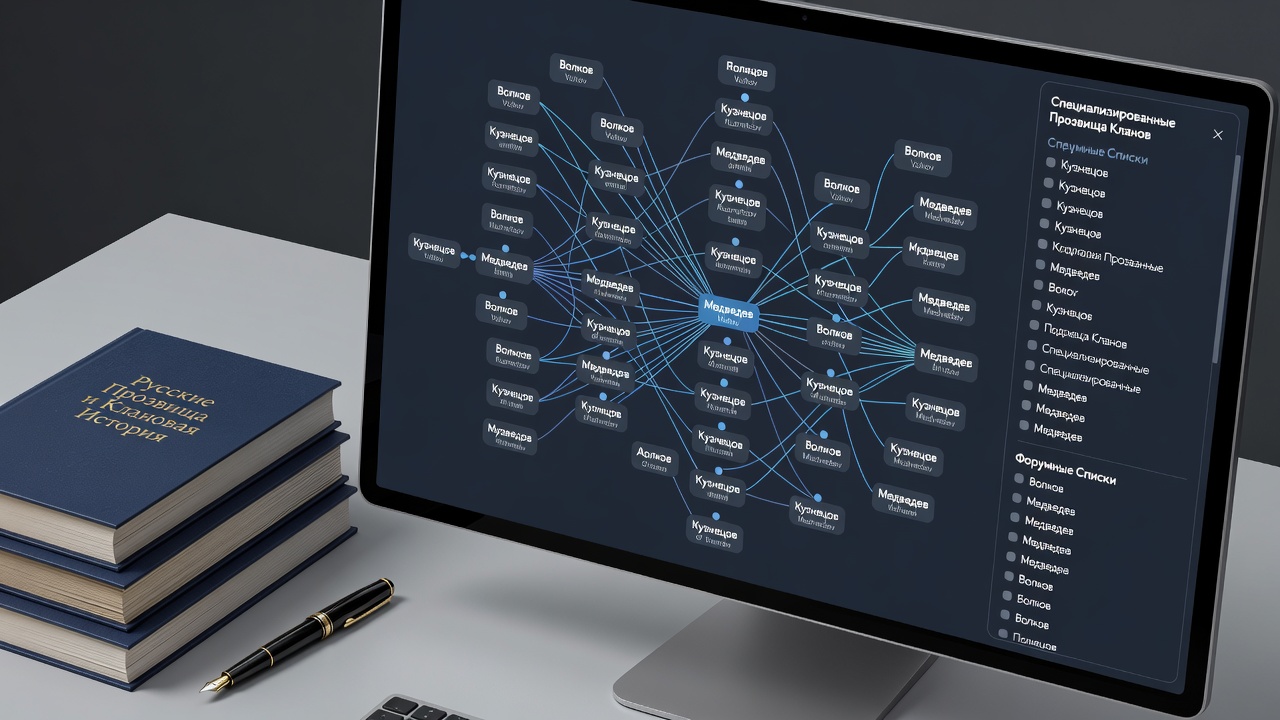
Specialized collections of Russian nicknames on forum-based lists provide structured records that researchers and community analysts use to map relationships within gaming clans. These archives compile aliases, associated tags, and interaction patterns from platforms where players register and discuss strategies, and the data reveals recurring groupings that correspond to organized teams. Observers note that Russian gaming communities maintain detailed lists because nicknames often incorporate clan identifiers such as prefixes, suffixes, or numerical codes that signal membership and rank.
Forum threads dedicated to top lists serve as primary sources for these collections, and participants contribute entries that include timestamps, game-specific achievements, and cross-references to other players. When analysts examine hundreds of entries, they identify clusters where similar naming conventions appear repeatedly, and this pattern suggests coordinated activity rather than random selection. Data from multiple threads shows that clans frequently reuse thematic elements across members, which creates traceable signatures over time.
Patterns in Nickname Construction and Their Clan Significance
Russian gamers construct nicknames that blend personal flair with group affiliation, and the resulting strings contain clues about hierarchy and alliances. Prefixes like abbreviated clan names or symbols appear in consistent positions across lists, while suffixes indicate roles such as leader, scout, or support. Researchers discovered that these conventions remain stable within a single clan even as individual players rotate in and out, and the stability allows external observers to track continuity despite changes in roster.
Collections on forum lists often categorize nicknames by game title and by time period, which enables longitudinal analysis. One study of archived threads found that certain clans maintained distinct naming systems for over three years, and the systems included both Cyrillic and Latin characters to signal different levels of access within the group. Those who've examined the lists report that cross-referencing timestamps with in-game events helps confirm whether a cluster of nicknames represents an active clan or merely a temporary alliance.
Forum Platforms as Data Repositories
Multiple Russian-language forums host dedicated sections for nickname rankings and clan discussions, and these sections function as living databases because users update entries regularly. Moderators enforce formatting rules that require players to list associated clan tags alongside their aliases, and this requirement produces uniform records that simplify large-scale analysis. As of October 2026, several prominent forums continue to expand their archives with new submissions from ongoing tournaments, and the growth supplies fresh material for tracing emerging clan formations.
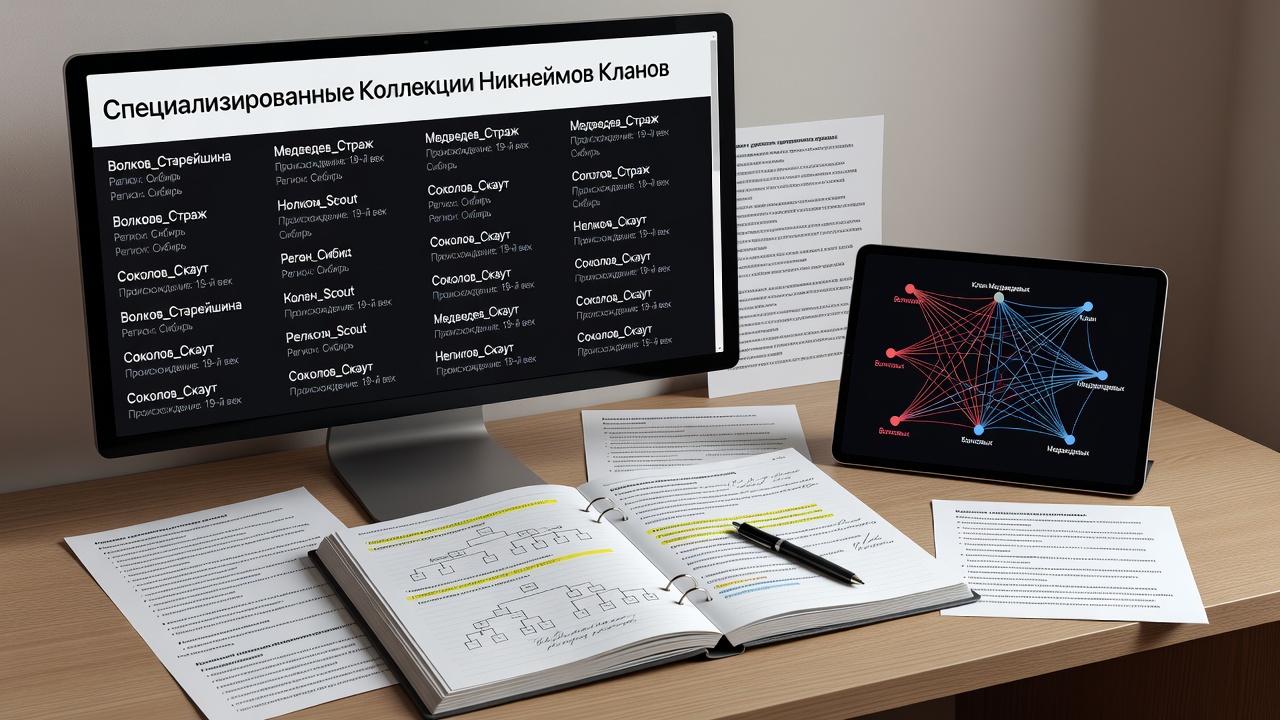
Analysts combine data from different forums to build more complete pictures of clan networks, and they match overlapping nicknames across platforms to identify players who participate in multiple groups. This cross-platform approach reveals alliances that single-forum lists cannot capture on their own. Figures from aggregated collections indicate that larger clans maintain presence on at least three separate forum boards simultaneously, and the distributed presence helps them coordinate recruitment and resource sharing.
Analytical Methods Applied to Nickname Collections
Researchers apply network analysis techniques to the compiled lists, and they treat each nickname as a node connected to others through shared tags or joint appearances in tournament results. The resulting graphs highlight central figures whose nicknames link to the greatest number of other entries, and these central nodes often correspond to clan leaders or organizers. Software tools process thousands of records to detect communities that manual review might miss, and the automated detection accelerates the identification of shifting alliances.
Case studies drawn from archived threads demonstrate how a single clan can evolve its naming conventions while preserving core identifiers. One documented example tracked a group that transitioned from numeric suffixes to color-based codes over an eighteen-month span, and the change coincided with an expansion in membership size. Observers who monitored the transition noted that the new codes still followed predictable patterns, which allowed continued mapping of internal roles.
Challenges in Interpreting Collected Data
Interpreting nickname collections requires caution because some players adopt similar naming styles without belonging to the same clan, and this mimicry can inflate apparent group sizes. Analysts therefore cross-check forum data against in-game logs and social media mentions, and the additional verification reduces false positives. Russian gaming communities sometimes discuss these verification practices openly in dedicated threads, and the discussions provide context that helps outsiders understand the reliability of particular lists.
Privacy considerations also influence how researchers handle the collections, and many analysts anonymize individual entries before publishing aggregate findings. The anonymization preserves the structural insights while protecting player identities. Industry reports from organizations such as the Esports Research Network emphasize the value of aggregated data for understanding community organization, and similar approaches appear in studies conducted by Australian academic groups focused on digital cultures.
Conclusion
Specialized Russian nickname collections on forum-based lists supply concrete material for tracing clan dynamics because the records preserve consistent naming patterns and interaction histories. Analysts who examine these archives across multiple platforms and time periods obtain clearer views of group structures, recruitment flows, and alliance shifts. Continued updates to the collections ensure that the datasets remain relevant for ongoing observation of Russian gaming communities and their organizational practices.